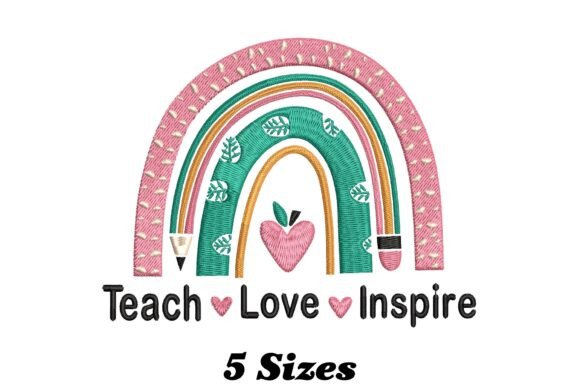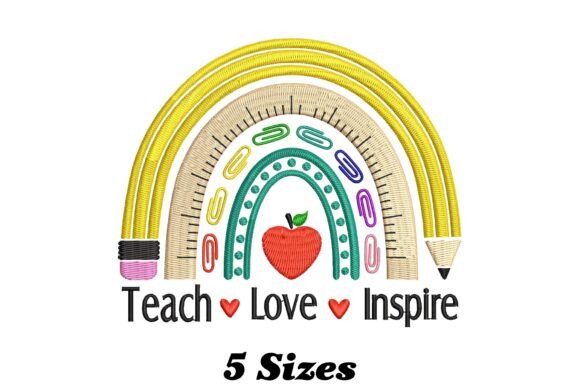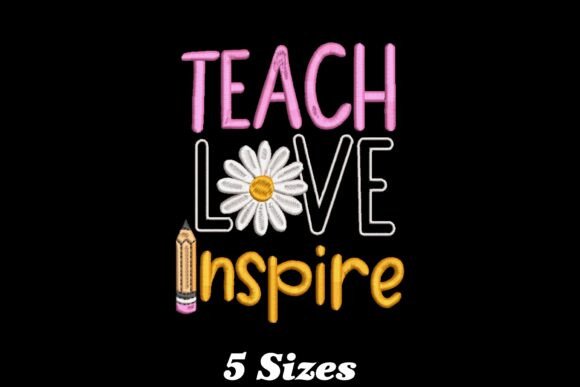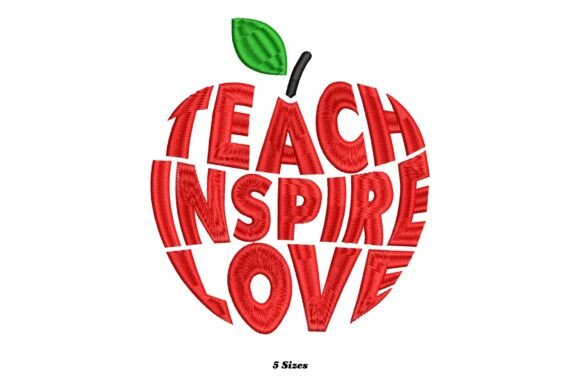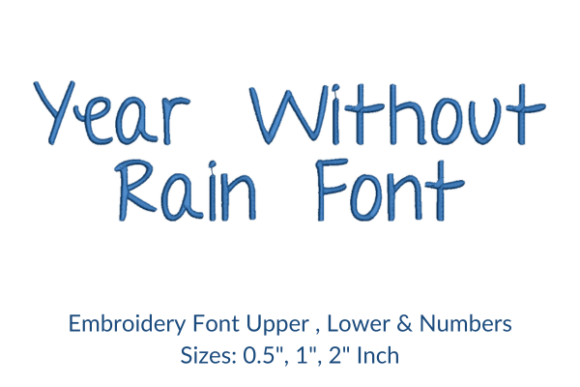
Delightful Teach
As an embroidery designer and product reviewer, I often find myself evaluating machine embroidery designs for real-world use. Delightful Teach caught my eye with its playful charm and potential for creative application. This design is perfect for adding a whimsical touch to a variety of projects, especially those in the school or educational theme.
The First Impression
Delightful Teach immediately conveys a sense of fun and lightheartedness. The design features a simple yet expressive shape that feels approachable and easy to work with. Its layout is balanced, with clear visual elements that make it suitable for both small and larger embroidery projects. The level of detail is moderate, making it ideal for those who want a charming look without overcomplicating the stitching process.
This design seems to belong naturally on items like t-shirts, tote bags, and baby clothes. It has a friendly, almost nostalgic vibe that would resonate well with parents, educators, and anyone looking to add a personal touch to their handmade products.
Real-Life Embroidery Use Cases
When considering Delightful Teach for real-life projects, there are several applications that stand out. For instance, custom apparel such as sweatshirts or t-shirts could benefit from this design. It would make a great addition to a child’s outfit or a teacher’s uniform, offering a subtle yet distinctive flair.
Tote bags are another excellent canvas for Delightful Teach. Whether used for a craft fair booth or as part of a small shop product line, the design adds character without overwhelming the fabric. Similarly, embroidered patches could showcase this design beautifully, especially when used as a badge or accessory on jackets, backpacks, or aprons.
For home decor, Delightful Teach could be stitched onto pillow covers, tea towels, or even nursery wall art. Its soft, playful aesthetic fits well with a variety of interior styles, making it a versatile choice for handmade products.
Where to Be Careful
While Delightful Teach is generally user-friendly, there are a few areas where caution is advised. If you're working with small hoop sizes, the design may require careful placement to ensure all elements are captured properly. Textured fabrics can also pose challenges, as they might affect the clarity of the stitches.
Thin or stretchy fabrics may need additional stabilizer to prevent puckering or distortion. Dark fabrics could reduce the visibility of certain thread colors, so testing with different hues is recommended. Additionally, if you’re planning to stitch this design on curved surfaces like caps or hats, you’ll need to adjust your technique accordingly.
Detailed corners and tiny lettering may not hold up as well as expected, especially if the stitch density is too high. It’s important to review the design’s structure before committing to a project, particularly if it’s intended for commercial use or as a personalized gift.
Impact on Visual Appeal and Customer Perception
Delightful Teach has the potential to elevate the visual appeal of any finished product. Its clean lines and simple composition make it easy to integrate into a range of design aesthetics. When executed well, it can enhance the overall look of a handmade product, making it more attractive to customers.
Stitching clarity is key here. If the design is too dense or poorly structured, it may appear cluttered or unprofessional. On the other hand, when done right, it can add a unique and thoughtful touch that resonates with buyers. This is especially important for Etsy sellers and small shop owners who rely on visual appeal to stand out in a competitive market.
From a customer perspective, Delightful Teach offers a sense of personality and individuality. It’s a design that feels intentional and well-crafted, which can increase trust in the brand or maker behind the product. This is crucial for handmade items and personalized gifts, where the emotional value often plays a big role in the purchase decision.
Practical Designer Notes
Before using Delightful Teach in any project, I recommend testing it on scrap fabric first. This will help you understand how the design translates on different materials and identify any potential issues early on. Checking thread color contrast is also essential—especially if you plan to use the design on dark or light backgrounds.
Reviewing the stitch density is another important step. If the design is too heavy, it may cause the fabric to pucker or lose its shape. Confirming the correct hoop size is equally vital, as using the wrong one can lead to misalignment or incomplete stitching.
Inspecting small details, such as corners and lettering, can prevent surprises later on. Testing the design in black and white mockups helps visualize how it will look on various fabrics. Comparing it against both light and dark backgrounds ensures versatility across different applications.
Using the proper stabilizer is crucial, especially for delicate or stretchy fabrics. Ensuring that the design works for both personal and commercial projects is also important, as some embroidery files come with specific licensing restrictions. Always confirm the terms before selling finished items or digital products.
Final Thoughts
Delightful Teach is a versatile and charming embroidery design that can add a unique touch to a wide range of projects. Whether you're creating custom apparel, personalized gifts, or small shop merchandise, this design offers a playful and functional option for your embroidery workflow.
With careful consideration and proper execution, Delightful Teach can become a valuable asset in your design toolkit. It’s a great example of how a simple, well-crafted design can make a big impact in the world of handmade and commercial embroidery.