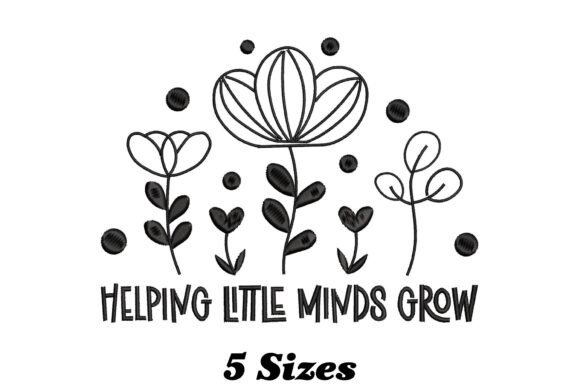
Helping Little Minds Grow
The phrase "Helping Little Minds Grow" carries a warm, nurturing energy that immediately suggests educational, creative, or developmental themes. As an embroidery designer with years of experience in craft fair products and handmade items, I’ve seen countless designs come and go. This one, however, has a unique charm that could stand out in a crowded market.
First Impressions: A Design That Feels Thoughtful and Playful
From the first glance, "Helping Little Minds Grow" feels like a design that balances simplicity with intention. It’s not overly bold, but it’s also not too minimal. The title suggests a focus on education, which aligns well with the School category. It has a soft, approachable vibe that could appeal to parents, teachers, and anyone who values learning and growth.
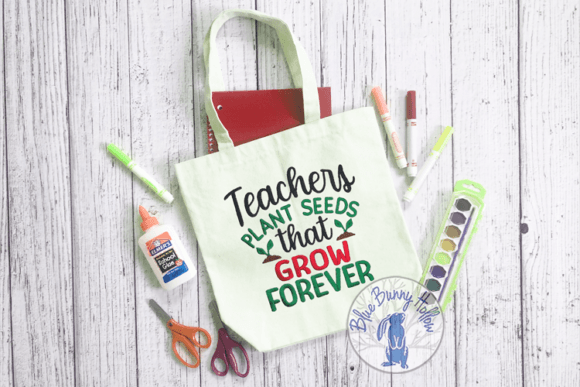
This design would work especially well as a machine embroidery design for handmade products such as tote bags, aprons, and tea towels. Its visual style is versatile enough to fit both modern and farmhouse aesthetics, making it adaptable to a variety of customer tastes.
Where Helping Little Minds Grow Shines
At a craft fair, the right craft fair product can make all the difference. "Helping Little Minds Grow" has the potential to catch attention in several key areas:
- Tote bag design: A large, centered embroidery on a canvas tote would draw eyes and spark conversation.
- Apron embroidery: Adding this design to an apron could make it a popular item for teachers or home cooks.
- Tea towel embroidery: A smaller version of the design could be a subtle yet meaningful addition to kitchen decor.
- Embroidered patch: As a patch, it could be used on backpacks, jackets, or even as a button for a small shop product.
- Fabric pouches and pillow covers: These items offer a chance to showcase the design in different scales and styles.
Practical Selling and Production Considerations
For Etsy sellers and small shop product creators, the practicality of a design is just as important as its aesthetic. "Helping Little Minds Grow" is likely to be easy to understand at a glance, which is crucial for a busy craft fair booth where customers may only have a few seconds to decide.
This design could work as either a small accent or a large focal point, depending on the product. For example, on a cap, it might need to be scaled down, while on a tote bag, it could be a bold centerpiece. The stitch density will affect how it looks on different fabrics, so testing on scrap fabric is essential.
When it comes to digital embroidery file photography, this design should photograph well—especially if the thread colors are chosen carefully. A high-contrast combination will help it stand out in online listings.
Careful-Use Notes for Embroidery Designers
While "Helping Little Minds Grow" seems promising, there are a few things to keep in mind:
- Dense stitch areas: If the design has intricate details, it may require extra stabilizer to prevent puckering.
- Tiny details and small lettering: These could be lost on certain fabrics, especially if the design is scaled down.
- Thick fabric and textured towels: The design may not sit flat or could become distorted on uneven surfaces.
- Curved cap surfaces: A curved surface may require a different hoop size or placement to ensure even stitching.
- Dark fabric: The design may lose clarity if the thread color doesn’t contrast well.
Impact on Visual Appeal and Customer Engagement
As a commercial embroidery designer, I know that a strong visual appeal can drive sales. "Helping Little Minds Grow" has a clean, positive message that can create an emotional connection with buyers. It adds value to any handmade product, especially when paired with quality materials and thoughtful presentation.
In a booth display, this design can serve as a focal point that draws people in. It also supports brand consistency if your shop has a theme around education, creativity, or family. Customers are more likely to engage with a design that feels meaningful and well-crafted.
Embroidery Designer Notes for Success
To ensure the best results with "Helping Little Minds Grow," consider these steps:
- Test the design on scrap fabric to see how it looks and feels before committing to production.
- Check thread contrast against the fabric color to ensure visibility and vibrancy.
- Review spacing and layout to avoid overcrowding or awkward placement.
- Confirm hoop size requirements to ensure compatibility with your machine.
- Inspect stitch density to prevent puckering or distortion.
- Use the right stabilizer for the fabric type, especially for thick or textured materials.
- Create at least one real mockup to see how the design translates to a finished product.
- Compare fabric colors to ensure the design stands out in different lighting conditions.
- Confirm commercial licensing before selling finished products to avoid legal issues.
Final Thoughts: A Design with Real Craft Fair Potential
"Helping Little Minds Grow" is a design that could find a home in many handmade markets. It has a gentle, uplifting tone that appeals to a wide audience and offers flexibility in application. Whether you're creating printable mockups for your Etsy listings or preparing craft fair products for your booth, this design has the potential to attract attention and generate sales.
As an embroidery designer, I believe this design is worth exploring, especially if you're looking to add a touch of thoughtfulness and creativity to your embroidery file collection. With careful execution and smart placement, "Helping Little Minds Grow" could become a staple in your product lineup.